Related Articles
- From Philanthropy to Profits: How Social Impact Investing is Reshaping the Future of Capital Markets
- Lost in Translation: How Language Barriers Shape Global Banking Relationships and Client Interactions
- Regulatory Labyrinths: Examining the Unanticipated Effects of Financial Laws on Sustainable Fashion Markets
- The Hidden Connection Between Gamification and Banking: How Playful Finance Engages a New Generation of Savers
- Borrowing Blues: How Your Zip Code Can Affect Loan Access and Financial Flexibility in Suburban vs Urban Areas
- Exploring the Quiet Revolution: How Biometric Privacy is Transforming User Trust in Digital Banking
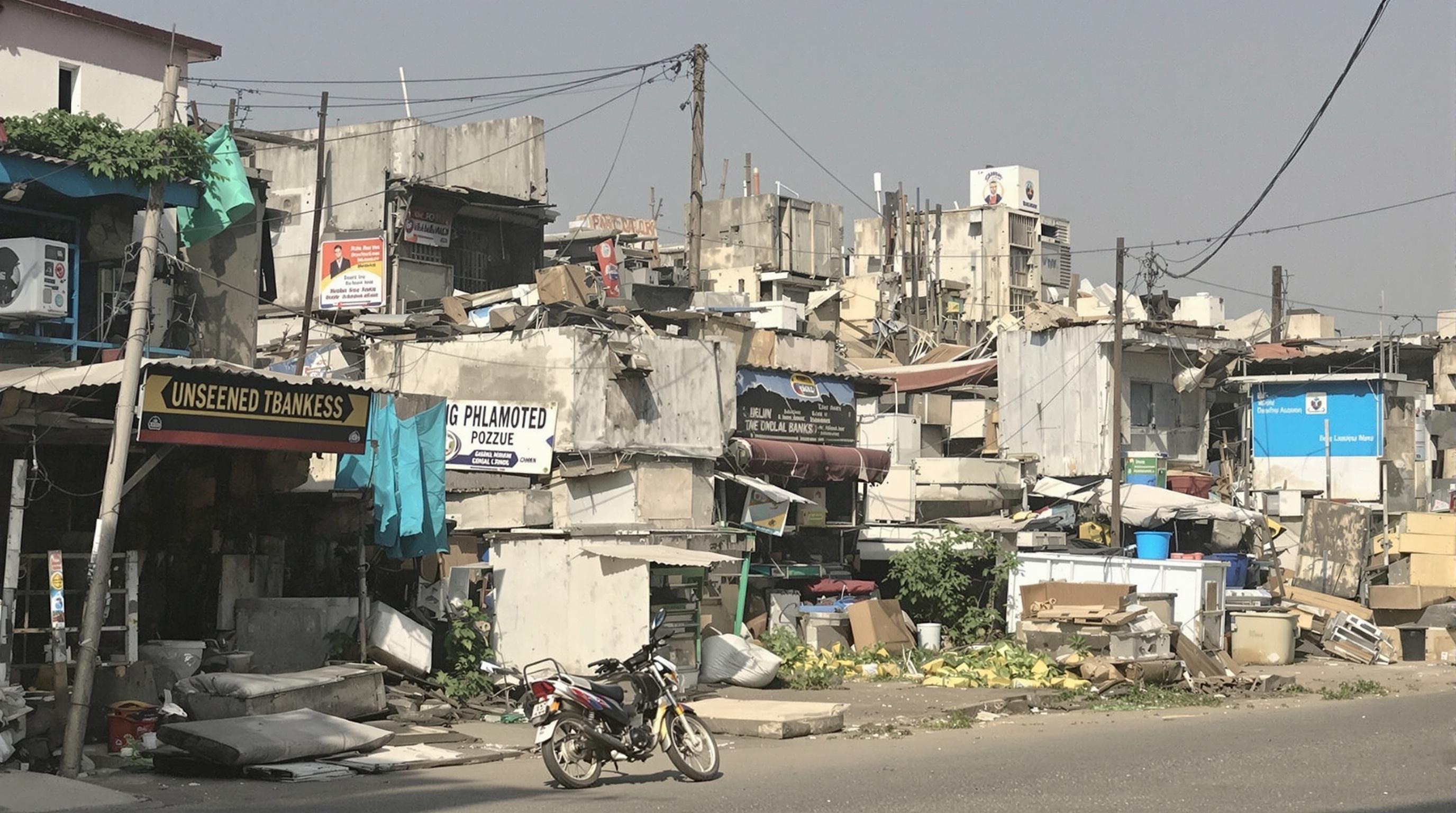
The Unseen Web: How Global Banks Navigate the Shadows of Informal Economies and Their Impact on Financial Stability
The Unseen Web: How Global Banks Navigate the Shadows of Informal Economies and Their Impact on Financial Stability
The informal economy, often thriving in the shadows of the formal financial system, significantly influences global banking strategies. As banks navigate this unseen web, understanding its dynamics becomes vital for maintaining financial stability.
A Glimpse into the Shadows
Have you ever noticed your favorite neighborhood vendor with no sign of a tax return? That’s the informal economy at work—buzzing with life yet largely invisible to the regulatory eye. According to the International Labour Organization, around 2 billion people worldwide are engaged in informal work, which includes everything from street vendors to freelance gig workers.
Case Study: The Impact on Microfinance
Microfinance institutions (MFIs) often operate in regions with robust informal economies. For instance, in Bangladesh, Muhammad Yunus pioneered the concept of providing small loans to those without access to traditional banking. His Grameen Bank model highlights how formal institutions can tap into informal networks to foster economic growth. As of 2021, the global microfinance market was estimated to be worth $124 billion, showcasing the immense potential of these untapped markets.
The Bankers’ Dilemma
The rise of the informal economy presents a conundrum for global banks. On one hand, they are tasked with upholding stringent regulations; on the other, they must find ways to engage with the informal sector meaningfully. A 2019 report by the World Bank noted that 70% of adult women in low-income countries are unbanked. This gap represents a missed opportunity for financial institutions to grow their client base while fostering economic inclusivity.
Why Should We Care?
Imagine walking into a grocery store and finding that half the shelves are stocked with expired goods. Would you trust that store again? This scenario mirrors the potential crises that can erupt when banks ignore the informal economy. In 2008, the global financial crisis underscored how interconnected economies could lead to widespread instability. By not acknowledging the informal economy, banks risk underestimating the cascading effects of financial shocks.
The Digital Revolution
Speaking of crises, let’s talk technology! Today, technology is breathing life into the shadows of the informal economy. In Kenya, for instance, the mobile payment platform M-PESA has transformed how informal sector workers access financial services. Originally launched in 2007, it boasts over 40 million users, empowering small businesses and boosting local economies. This is a prime example of how innovation can uplift the unseen and bridge the gap between formal and informal sectors.
Balancing Act: Regulations vs. Innovation
Now, let’s get a bit philosophical—how do we balance regulation with the need for innovation? Banks often grapple with compliance costs versus profitability when trying to serve informal sectors. The Basel III framework introduced in 2010 aimed to strengthen bank capital requirements but also inadvertently limited smaller banks' ability to lend to informal sector entities. This begs the question: how can we create a financial framework that encourages banks to lend responsibly to the informal economy?
Statistics that Speak Volumes
Statistics are like the spice of financial discussions, adding flavor and substance. Did you know that informal economies account for about 60% of global employment, according to the International Labour Organization? But here’s the kicker: despite their size, they contribute significantly less to the tax base, often leaving governmental infrastructures starved for cash.
The Human Element
Pulling back the curtain on statistics, let’s delve into personal stories. Consider Juan, a street vendor in São Paulo, Brazil. Juan sells fresh fruit and has no formal banking relationships. However, through community informal lending circles, he was able to finance a larger cart and increase his sales dramatically. His success story highlights how informal networks operate outside traditional banking structures but can still contribute to economic stability.
The Ripple Effect of Financial Inclusion
Promoting financial inclusion is the golden ticket to addressing the web of informal economies. According to a study by the Global Financial Inclusion Index, increasing access to financial services can improve household stability. For every 10% increase in financial inclusion, there’s a corresponding 0.5% reduction in poverty levels (Mastercard Foundation). When banks engage with informal workers like Juan, they not only build trust but also cultivate a loyal customer base—everyone wins!
Risks of a Fragmented Financial Landscape
What happens if we ignore the informal economy? The financial landscape becomes fragmented, leading to increased risks. The Financial Stability Board points out that non-bank financial intermediation is on the rise, comprising around 50% of the global financial system. This situation can lead to bubbles and busts, echoing the 2008 financial crisis. Addressing the invisible players becomes more crucial than ever.
Humor in the Hectic World of Banking
And sometimes, humor is the best medicine for a chaotic environment! Picture this: a bank manager talking to his team, "Our new strategy is to catch informal economy fish—without getting wet!" Sure, it sounds funny, but the implications are serious. As banks look to engage the informal economy, they’ll need a metaphorical swimming suit, better strategies, and a whole lot of creative financing methods.
Looking Forward
In conclusion, navigating the unseen web of informal economies is more vital today than ever. Banks must adapt their strategies and embrace innovative solutions to harness the potential of this vast sector. As we march into the future, cooperation between governments, banks, and informal economies can pave the way for smarter, more inclusive financial systems that promote stability and growth. Much like the intricate patterns of a spider’s web, each strand—formal or informal—directly impacts the whole structure.
Final Thoughts: The Power of Collaboration
Ultimately, it’s about collaboration. Global banks, regulatory bodies, and informal economies must work hand in hand to create a stable financial ecosystem. Who knows? The next major innovation in banking could emerge from the informal side, blending shadow and light into an economic masterpiece. After all, in today's interconnected world, the line between formal and informal is blurrier than ever.
Read More