
Related Articles
- From Philanthropy to Profits: How Social Impact Investing is Reshaping the Future of Capital Markets
- Lost in Translation: How Language Barriers Shape Global Banking Relationships and Client Interactions
- Regulatory Labyrinths: Examining the Unanticipated Effects of Financial Laws on Sustainable Fashion Markets
- The Hidden Connection Between Gamification and Banking: How Playful Finance Engages a New Generation of Savers
- Borrowing Blues: How Your Zip Code Can Affect Loan Access and Financial Flexibility in Suburban vs Urban Areas
- Exploring the Quiet Revolution: How Biometric Privacy is Transforming User Trust in Digital Banking
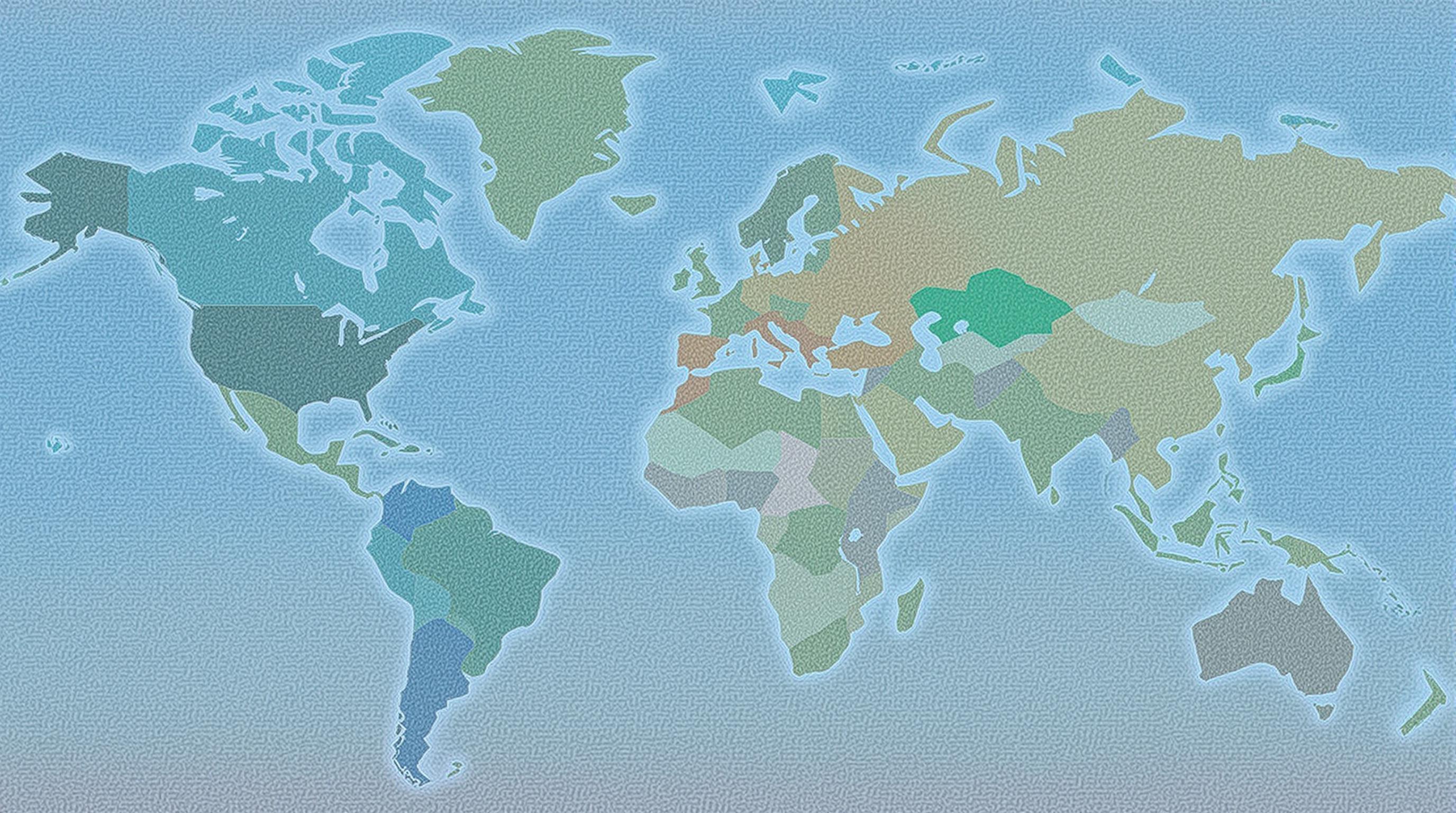
Hidden Influences: How Cultural Nuances Shape Global Banking Strategies and Client Relations
Hidden Influences: How Cultural Nuances Shape Global Banking Strategies and Client Relations
Global banking strategies are not as universal as they may seem; they are deeply influenced by cultural nuances that shape client relations. Understanding these hidden influences can lead to more effective strategies and better client interactions across borders.
The Power of Culture in Banking
Imagine this: you're a banker from London traveling to Japan for a business meeting. You order a cup of coffee and, without thinking, begin discussing numbers immediately. But your Japanese counterpart, who values relationships and subtlety, is waiting for you to finish your coffee before diving into the details. According to Hofstede's cultural dimensions theory, nations have different values that affect communication and business practices. In the UK, the score for Individualism is high, while Japan scores significantly on Collectivism. This divergence can lead to misunderstandings if not navigated carefully. When cultural nuances are ignored, the results can be transactional failure and strained relationships.
Statistics and Client Relations
Statistics tell a powerful story. A study by McKinsey & Company found that companies that emphasize cultural awareness in their client relations see a 20-30% increase in client satisfaction scores. In banking, where trust and relationship building are paramount, this data translates directly into higher revenues. The banking sector operates in a global arena; just ask HSBC, which is famously known as "the world's local bank." Understanding and respecting local cultural practices have allowed HSBC to expand its operations globally, catering to different markets more effectively.
Real-life Examples: A Case Study
Let’s take a closer look at Citibank’s foray into the Chinese market. In the early 2000s, Citibank was primarily concerned with attracting wealthy customers, offering products predominantly designed for the elite. However, after facing stagnant growth, the bank realized it needed to tweak its approach. They shifted focus to incorporate local savings habits and launched various financial literacy programs. Today, Citibank has cultivated lasting relationships with clients from various age groups, thus extending its market reach significantly. The bank's cultural sensitivity is considered a game-changer in creating brand loyalty among clients.
Humor in Client Relations
Of course, not everything is serious business; humor can play an essential role in building client relationships. A certain branch of a European bank once sent out an email with the subject line: "Have you met your financial guru yet?" The email featured a playful meme that likened financial advisors to fortune-tellers, complete with crystal balls. While the email was humorous, it embraced a level of relatability that resonated with younger clients. They reported a spike in responses after sending the email, showcasing that sometimes laughter really is the best policy.
The Role of Language
Language is another significant cultural component that can heavily influence global banking strategies. Effective communication goes beyond simply speaking the same language; it embodies a grasp of local dialects, idioms, and sentiments. According to a survey by the British Council, 67% of businesses noted an increase in client relationship satisfaction when employees understood the local vernacular. Banks with diverse workforces that understand local dialects can forge deeper connections with clients. Take, for example, Standard Chartered, which has significantly penetrated the African market due to its diverse employee base that communicates in multiple native tongues.
An Interactive Approach
A conversational style can often break barriers that rigidity creates. In today's banking world, clients crave personalization and interactivity. One American bank utilized a chatbot that communicated using colloquialisms commonly used within its clientele's demographic. The bank noticed a 40% uptick in user engagement as clients felt that they were being spoken to as friends, not just customers. This informal approach showcased a fundamental cultural understanding and significantly strengthened client relations.
Persuasive Strategies in Diverse Markets
Let’s get persuasive for a moment. As businesses expand internationally, understanding the local marketplace becomes crucial. According to Deloitte, 50% of multinational companies fail due to a lack of investment in understanding local cultures. For banks, this means realigning marketing strategies to reflect local values - and that extends to promotional materials, advertisements, and even the tone of communication. In countries with strong collectivist cultures, such as South Korea, messaging focusing on family and community is much more appealing than messaging oriented toward individual success. Why aim for better strategies? Because the potential for increased revenue is substantial!
Generational Influences
Banking strategies must also consider generational differences. The younger generation, known as Millennials and Generation Z, uses technology to their advantage. A TIAA Institute study revealed that 79% of Millennials prefer to manage their finances through mobile apps rather than traditional methods. Consequently, banks with a digital-first approach not only cater to younger clients but also draw in older generations who are adapting to new technology.
Conclusion: Embracing Cultural Nuances for Future Success
It's clear that cultural awareness is not just a “nice-to-have” but rather a necessity in the global banking landscape. Understanding hidden influences enhances client relations and ensures successful banking strategies, regardless of locale. Acknowledging these nuances can be the difference between a client who remains loyal and one who wanders off, lured by a competitor who better understands their needs. As the saying goes, “When in Rome, do as the Romans do.” In the banking world, this couldn’t be more applicable.
Sparking Change: The Road Ahead
The road ahead for global banking is paved with opportunities that arise from valuing cultural nuances. Whether through humor, personal connections, or tailoring strategies to suit specific markets, the future of banking hinges on understanding and embracing these varieties. Globalization may connect us, but it’s the cultural landscapes that shape our experiences. As you reflect on the banking industry, ask yourself: how can embedding cultural awareness elevate your strategies and relationships in a globally connected world? It's time to explore, learn, and adapt.
So, here’s a thought: the next time you're interacting with a client from another cultural background, think about the hidden influences at play. After all, the art of banking is not just about numbers and transactions; it’s about people, relationships, and navigating the rich tapestry of global cultures.
Read More