Related Articles
- From Philanthropy to Profits: How Social Impact Investing is Reshaping the Future of Capital Markets
- Lost in Translation: How Language Barriers Shape Global Banking Relationships and Client Interactions
- Regulatory Labyrinths: Examining the Unanticipated Effects of Financial Laws on Sustainable Fashion Markets
- The Hidden Connection Between Gamification and Banking: How Playful Finance Engages a New Generation of Savers
- Borrowing Blues: How Your Zip Code Can Affect Loan Access and Financial Flexibility in Suburban vs Urban Areas
- Exploring the Quiet Revolution: How Biometric Privacy is Transforming User Trust in Digital Banking
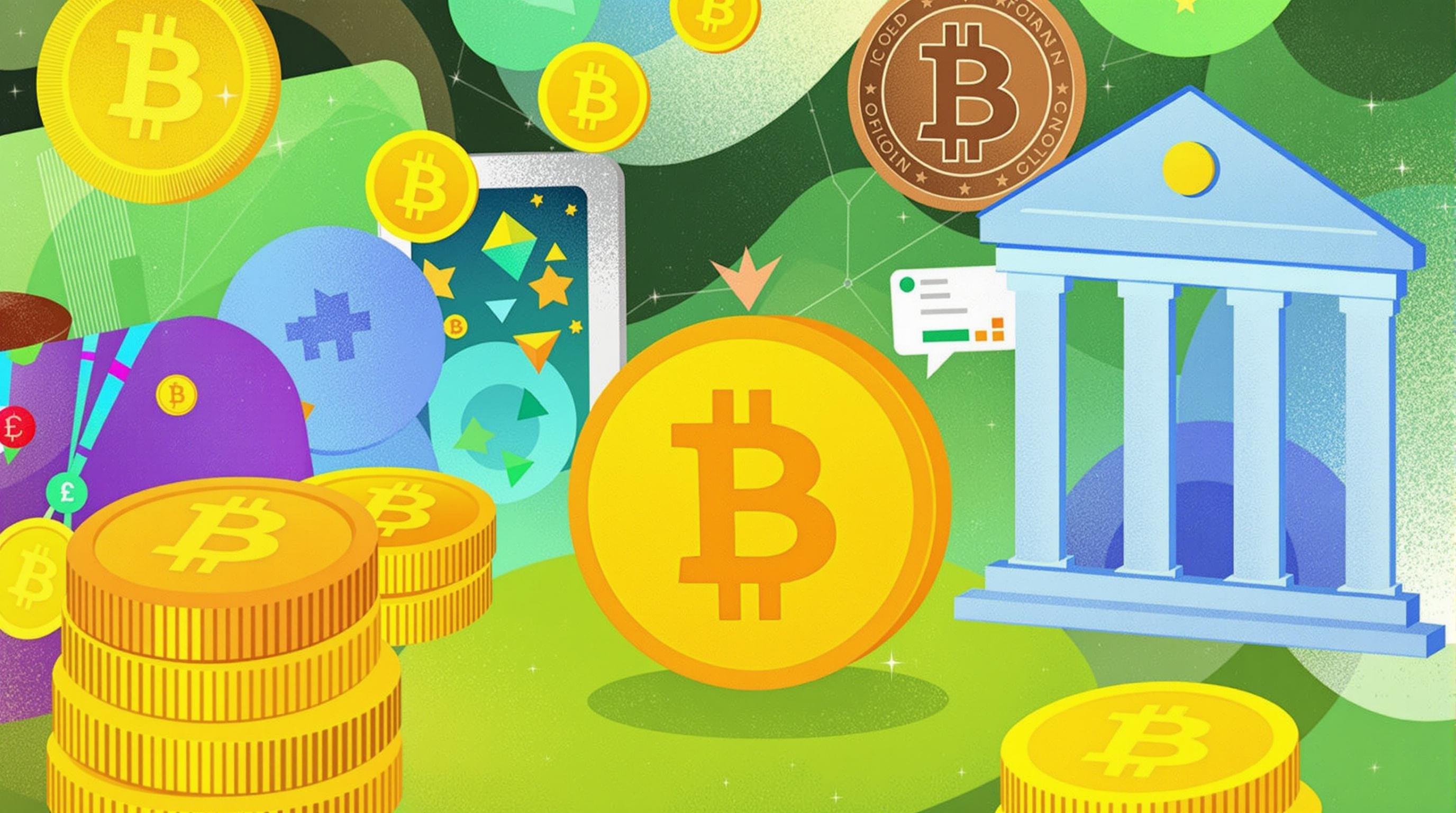
Cryptocurrency Integration: How Decentralized Finance is Disrupting Traditional Banking Models and Consumer Behavior
Cryptocurrency Integration: How Decentralized Finance is Disrupting Traditional Banking Models and Consumer Behavior
Cryptocurrency integration is reshaping our financial landscape, challenging traditional banking models and altering consumer behavior. As decentralized finance (DeFi) rises, we witness an era of opportunities and risks that could radically change how we approach money.
The Old Guard: A Targeted Approach
For over a century, traditional banks have operated as gatekeepers of financial services. This centralized model has limited accessibility for many, particularly in developing regions where banking infrastructure is scarce. According to the World Bank, around 1.7 billion adults remain unbanked, often due to geographical or socioeconomic barriers. DeFi answers this problem perfectly by democratizing access to financial services through blockchain technology.
The Wallet Revolution
Picture this: you’re sitting in a coffee shop with friends, chatting about your latest financial ventures. Suddenly, the topic of crypto wallets arises. The skepticism is palpable as one friend remarks, “Why go through all that trouble when we have a bank?” The answer, my friend, lies in the history of digital wallets: they’re not just convenient; they’re empowering.
Decentralized Finance: The Basics
Decentralized finance, or DeFi, allows transactions, loans, and investments without the need for intermediaries like banks. Smart contracts, self-executing contracts with terms directly written into code, facilitate these transactions on blockchain networks, paving the way for trustless operations. According to a report by DeFi Pulse, the total value locked in DeFi projects ballooned to over $100 billion as of 2021, showcasing the sector's explosive growth.
The Rising Star of Peer-to-Peer Lending
One area where DeFi shines is peer-to-peer lending. Ever heard of Compound or Aave? These platforms allow users to lend cryptocurrency to one another at competitive interest rates, cutting out the middleman entirely. A case study from Aave shows its users lent over $1 billion in digital assets without a single centralized institution involved. With compelling advantages like lower fees and faster transactions, it’s no wonder individuals are swapping traditional lending for decentralized options.
The Behavioral Shift: From Trust to Transparency
Gone are the days when consumers would flock to their bank branches, wearied by paperwork and fees. Today’s younger generation craves transparency and speed—enter stage left, cryptocurrencies. The millennial and Gen Z demographics, in particular, have shown a significant inclination toward cryptocurrency adoption. A survey published by the Pew Research Center in 2021 found that 43% of the younger demographic had purchased, traded, or used cryptocurrency in some capacity.
The Humor in Crypto Confusion
Let's take a pause for a chuckle: a friend once told me that trying to explain cryptocurrency is like trying to explain a meme to your parents. The confusion is real! My parents still think that “blockchain” is just another Lego set! Yet, as serious as these misunderstandings can be, they highlight a substantial gap in knowledge that DeFi has the potential to bridge.
The Accessibility Factor
Accessibility stands as a cornerstone of DeFi’s appeal. Imagine a world where anyone with an internet connection can access financial tools previously reserved for the elite. In a way, this shift mirrors the rise of online education platforms that allow millions to learn skills without traditional barriers. Platforms like MakerDAO enable users to create decentralized stablecoins backed by cryptocurrencies—making access to the stable store of value that fiat money provides available in a trustless manner.
Risks on the Horizon
Of course, where there are opportunities, risks follow closely behind. Security vulnerabilities remain a pressing concern within DeFi protocols. According to a report by Chainalysis, hackers stole over $2.8 billion from DeFi platforms in 2021 alone. Unlike traditional banks, there’s usually little recourse for lost funds in the decentralized landscape, underscoring the importance of thorough research and caution before diving into DeFi waters.
How Traditional Banks Are Reacting
Traditional banks are not dormant in this evolving landscape, though. Many are pivoting, partnering with fintech firms, and exploring their own blockchain technologies. For example, JPMorgan launched its own cryptocurrency, JPM Coin, designed for facilitating money transfers between institutional clients. This move underscores the urgency for traditional banks to adapt or risk becoming relics of a financial past.
Case Study: The Rise of Uniswap
Consider the metamorphosis of Uniswap—a decentralized exchange (DEX) that gained over $1 billion in trading volume in a single day during the summer of 2021. In short, Uniswap allowed users to trade cryptocurrencies without an intermediary and enabled liquidity providers to earn fees by offering their assets. This case dramatically illustrates DeFi's potential to disrupt traditional exchange platforms, which typically charge hefty transaction fees and require extensive know-your-customer (KYC) processes.
The Power of Community
One of the most refreshing changes in today's financial landscape is the emphasis on community in DeFi. Users can participate in governance decisions, voting on project direction and modifications. This collaborative spirit fosters a sense of ownership that traditional banks have long lacked. Instead of being one among many in a faceless customer pool, consumers can influence policies and practices in decentralized communities designed around mutual support and shared objectives.
A Day in the Life: Engaging with DeFi
Let’s visualize how a typical day for a DeFi enthusiast might look: you awaken, access your crypto wallet, and confirm your interest-earning positions on a lending platform. After a cup of coffee, you decide to participate in a liquidity pool, contributing your digital assets for a chance to earn fees. By evening, you might attend a virtual discussion about governance proposals—feeling empowered and engaged in the financial evolution taking place around you.
Regulatory Challenges Ahead
As DeFi garners more attention, regulatory bodies scramble to catch up. Governments globally debate how to regulate this emerging space while preserving its innovative essence. For instance, the European Union’s proposed Markets in Crypto-Assets (MiCA) legislation aims to bring clarity and stability to the crypto environment, establishing a framework for tokens that can potentially harmonize trade across member states. Balancing foresight with intervention remains a delicate dance, essential for consumer protection while promoting sustainability.
A Shift in Investment Attitudes
The rise of DeFi has further prompted a monumental shift in investment attitudes. According to a survey by CoinMarketCap in 2021, more than 70% of crypto investors turned to platforms offering yield farming—a DeFi practice that allows them to earn interest on assets. This shift indicates a growing appetite for innovative financial strategies, challenging the age-old ‘buy-and-hold’ mindset of traditional investing.
Conclusion: The Perfect Storm of Innovation
The rise of cryptocurrency integration signals the dawn of a new era in finance—one where decentralization empowers consumers and challenges established banking norms. As we surf this turbulent wave of innovation, one thing remains abundantly clear: whether you are a skeptical observer or a passionate believer, the evolution of finance is underway, and it's an exhilarating ride. With careful consideration of benefits and risks, we can better position ourselves to embrace and navigate this transformative period in history.
Read More