Related Articles
- From Philanthropy to Profits: How Social Impact Investing is Reshaping the Future of Capital Markets
- Lost in Translation: How Language Barriers Shape Global Banking Relationships and Client Interactions
- Regulatory Labyrinths: Examining the Unanticipated Effects of Financial Laws on Sustainable Fashion Markets
- The Hidden Connection Between Gamification and Banking: How Playful Finance Engages a New Generation of Savers
- Borrowing Blues: How Your Zip Code Can Affect Loan Access and Financial Flexibility in Suburban vs Urban Areas
- Exploring the Quiet Revolution: How Biometric Privacy is Transforming User Trust in Digital Banking
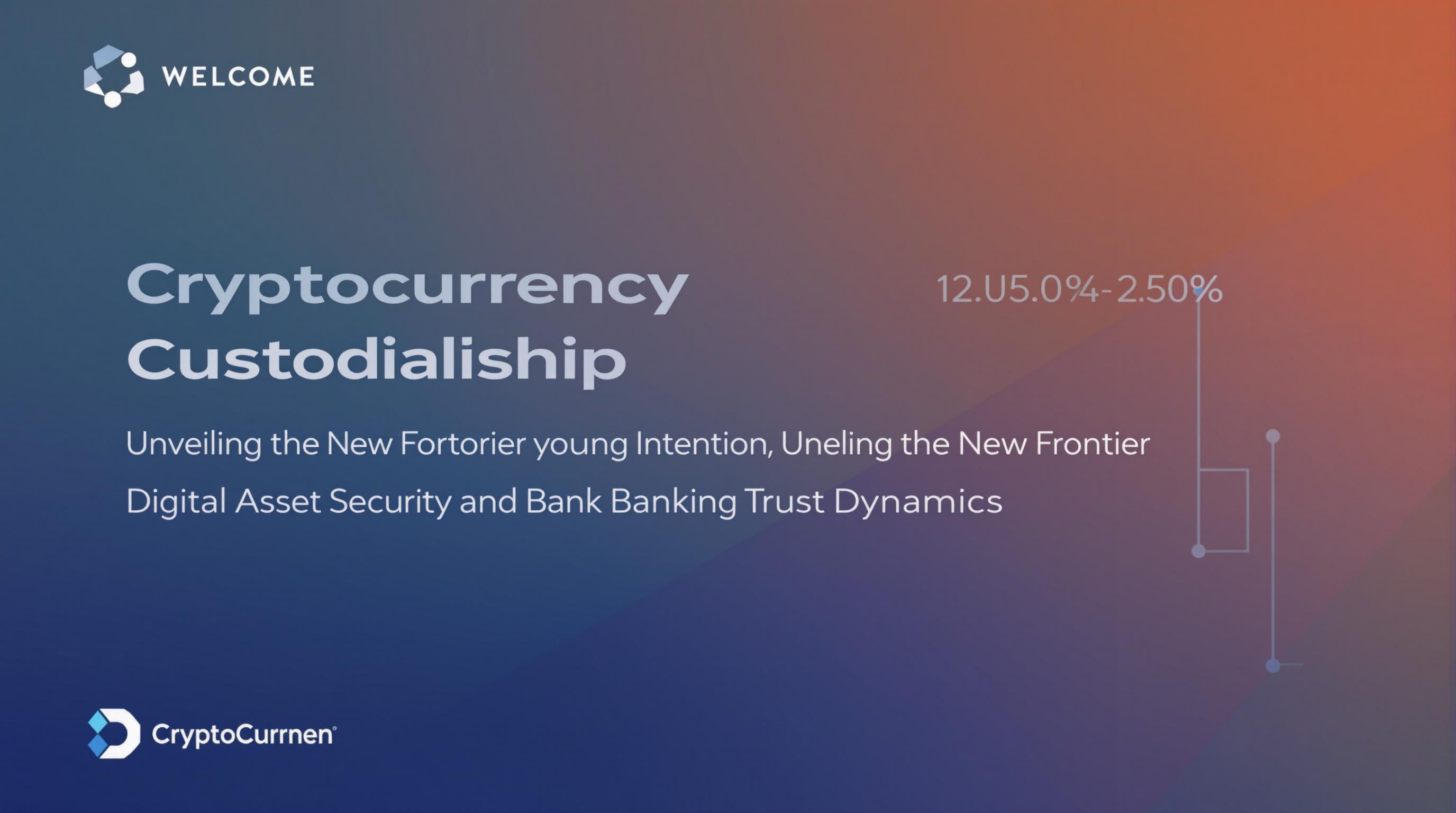
Cryptocurrency Custodianship: Unveiling the New Frontier in Digital Asset Security and Banking Trust Dynamics
Cryptocurrency Custodianship: Unveiling the New Frontier in Digital Asset Security and Banking Trust Dynamics
Cryptocurrency custodianship represents a critical evolution in the security of digital assets, blending sophisticated technology with the trust typically associated with traditional banking. As digital currencies proliferate, understanding the dynamics of custodianship is essential to navigate the new financial landscape.
The Melting Pot of Trust and Technology
Imagine you’ve just discovered a treasure chest filled with digital gold—but instead of traditional locks and keys, you have cryptographic tools safeguarding your wealth. Cryptocurrency custodianship is akin to hiring a trusted guardian for your treasure, ensuring that what’s yours remains secure amidst potential chaos.
What Exactly is a Cryptocurrency Custodian?
A cryptocurrency custodian is essentially a third-party service that securely holds your digital assets on your behalf, much like a bank vault but designed specifically for cryptocurrencies. With an explosion of interest in digital assets, custodial services have taken on a fundamental role, blending advanced technology with rigorous security standards. For instance, the global custodian market is projected to reach $4.8 trillion by 2025, according to a report by Research and Markets.
The Shift in Banking Dynamics
Traditionally, banks handle your cash with the implicit trust you place in them. Cryptocurrencies, however, present a unique challenge; their decentralized nature disrupts old paradigms. Enter custodianship, which enhances trust in the digital realm, as these institutions promise robust security and compliance with regulations—instilling a sense of safety reminiscent of banks. It’s like transitioning from a rickety wooden bridge to a solid stone structure over a rushing river.
Trust Issues: A Case Study
Let’s look at the case of Bitfinex. In August 2016, a massive hack resulted in the loss of nearly 120,000 bitcoins valued at around $72 million at the time. This incident underscored the importance of custodianship, pushing exchanges and investors to rethink their approach to security. Companies like Coinbase and BitGo emerged stronger, emphasizing the need for better security protocols and controls. Ultimately, the trust rebuilt by custodians helped stabilize the market in the face of adversity.
Statistics Speak Volumes
According to a 2021 survey by Fidelity Digital Assets, around 70% of institutional investors revealed they had invested in cryptocurrencies. However, 90% of these respondents also expressed concerns about the security of these assets. The increasing demand for custodial services indicates a clear trend: Security and peace of mind are at the forefront of investor considerations.
The Guardians of Your Crypto Assets
Imagine guarding your home but realizing that you’ve left the doors wide open. In the world of cryptocurrencies, millions have faced this reality with hacking incidents. Custodians provide multilayered security protocols, often utilizing cold storage (keeping assets offline), dual authentication, and insurance against theft or loss. It’s akin to having state-of-the-art alarm systems combined with personal bodyguards.
Casual Conversations about Custodianship
On a more personal note, let’s chat about why custodianship matters. A friend of mine, let’s call him Jake, dove headfirst into crypto during the market's frenzy. Fueled by memes and excitement, he bought a digital wallet but didn’t take custodianship seriously. Fast forward six months, and his wallet was gone—lost to a phishing scheme. With custodianship, Jake could’ve had his assets protected—out of reach of such malicious attempts.
Choosing the Right Custodian
Selecting the right custodian is crucial, as not all custodial services are created equal. When choosing one, consider factors such as security protocols, regulatory compliance, insurance coverage, and customer support. It's essential to do due diligence to avoid being caught off guard, just as you would when choosing any other service provider.
The Story Behind Established Custodians
Offering historical context, let’s jump back to 2014 when several banks started exploring how to securely manage cryptocurrencies. Companies like Gemini and Kraken surfaced, catering specifically to a growing need for custodianship in an ever-expanding market. These institutions have evolved, continuously updating their technology and security measures to stay ahead of hackers and market fluctuations.
The Humor in Our Fear
Sometimes the best way to ease cryptocurrency anxieties is through humor. Remember the legendary story of someone accidentally sending their Bitcoin to the wrong address? It’s like sending your lunch money to a stranger! Trust me; you won’t find a custodian laughing! They take security seriously, and they understand the stakes involved in managing your digital treasure.
Regulations and Compliance: The New Faces of Trust
As cryptocurrencies become mainstream, so too must the regulations overseeing them. Calling back to 2019, the Financial Action Task Force (FATF) set guidelines to enforce regulations on cryptocurrency custodians. Compliance with these guidelines isn’t just about adhering to laws; it’s about fostering trust among users while maintaining the integrity of the crypto space. It’s the equivalent of a dress code for entering a formal event; you need to be compliant to be let in.
Integration with Traditional Finance
One exciting aspect of custodianship is its potential to bridge the gap between cryptocurrencies and traditional finance. Financial institutions like JPMorgan and Goldman Sachs have started to adopt custodial services to hold cryptocurrencies for their clients. This institutional acceptance is like opening a door to a new world, providing legitimacy and inviting even more investors to explore digital assets.
The Next Frontier: Decentralized Custodianship
As exciting as traditional custodianship sounds, the future seems to be leaning toward the decentralized. With projects like DAOs (Decentralized Autonomous Organizations) gaining traction, the notion of community custodianship is creating ripples. Imagine a system reviewing transactions collectively, bringing a freshness that feels more aligned with crypto’s original anarchist ethos, reshaping trust once again.
Risks and Challenges in Custodianship
It’s not all sunshine and rainbows in the world of cryptocurrency custodianship. The challenges of maintaining security while ensuring accessibility loom large. Additionally, regulations can sometimes slow innovation, and the rapid pace of technological change can lead to vulnerabilities that custodians must quickly address. Picture a tightrope walker navigating high above; one wrong step leads to serious consequences.
Back to Basics: Understanding Your Own Assets
While custodianship offers various advantages, it’s crucial that individuals also understand their assets. Many new crypto investors assume custodians will completely handle all aspects of security, but that’s misleading. Like a driver learning traffic rules, you must educate yourself about your assets and how custodians operate to fully trust them. The blend of knowledge and custodianship leads to a synergy that enhances overall security.
Creative Wrap-Up: The Future of Trust
In wrapping up, cryptocurrency custodianship is not just a fortuitous trend; it symbolizes the transformation of financial assets, the sanctity of security, and the promise of trust in an increasingly complex world. As we navigate this new frontier, the fusion of traditional trust dynamics with revolutionary technology will redefine how we perceive value, security, and ownership in our digital age.
In Summary
Though much remains unknown in this rapidly evolving domain, one fact stands clear: Custodianship is here to stay, propelling us forward into the next wave of digital asset management. As you advance further into the cryptocurrency sphere, ensure that trust—whether traditional or technological—is always at the center of your investments.
Read More