Related Articles
- From Philanthropy to Profits: How Social Impact Investing is Reshaping the Future of Capital Markets
- Lost in Translation: How Language Barriers Shape Global Banking Relationships and Client Interactions
- Regulatory Labyrinths: Examining the Unanticipated Effects of Financial Laws on Sustainable Fashion Markets
- The Hidden Connection Between Gamification and Banking: How Playful Finance Engages a New Generation of Savers
- Borrowing Blues: How Your Zip Code Can Affect Loan Access and Financial Flexibility in Suburban vs Urban Areas
- Exploring the Quiet Revolution: How Biometric Privacy is Transforming User Trust in Digital Banking
Cryptocurrency Custodianship: Navigating Uncertainty in the Digital Asset Banking Landscape
Cryptocurrency Custodianship: Navigating Uncertainty in the Digital Asset Banking Landscape
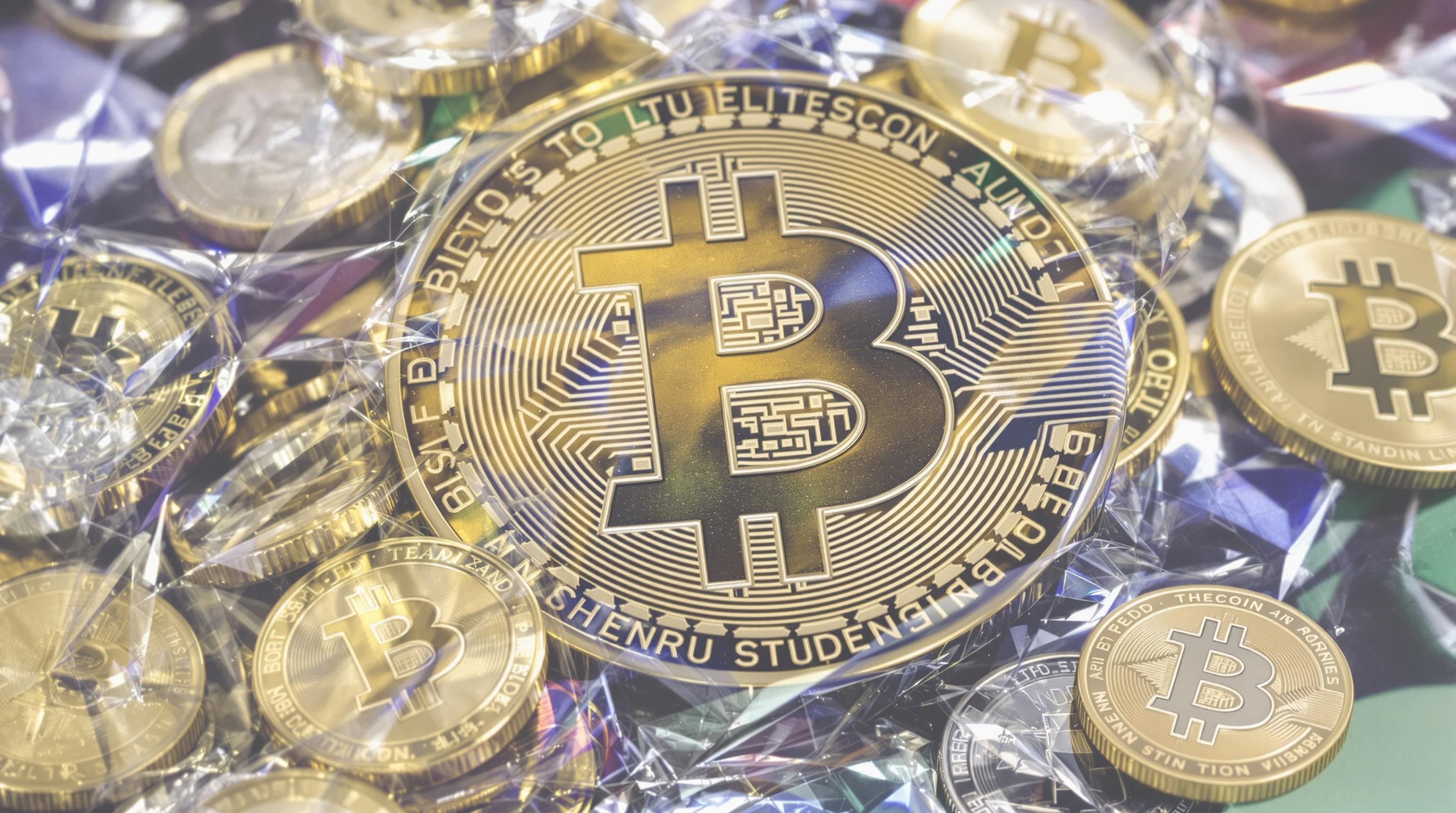
Cryptocurrency custodianship is a vital aspect of the digital asset landscape, intertwining security with innovation. As the market for cryptocurrencies continues to grow, understanding the nuances of custodianship is essential for investors navigating this uncertain terrain.
What is Cryptocurrency Custodianship?
In the simplest terms, cryptocurrency custodianship refers to the services provided to securely store and manage digital assets on behalf of clients. Imagine it as a bank for your Bitcoin or Ethereum, safeguarding your investment with layers of protection. Let’s break this down with a sprinkle of humor: it's like having a strongbox for your piggy bank, but this piggy bank can fly (and sometimes, it might get taken for a ride by hackers!).
The Importance of Custodianship
With the rise of digital assets, the question of asset security has become more pressing. In 2020 alone, cybercriminals reportedly stole over $1.9 billion in cryptocurrency, according to cryptocurrency tracking firm Chainalysis. These staggering figures underscore the necessity for reliable custodial solutions.
Simply put, custodianship offers peace of mind—especially for institutional investors who may hold large quantities of cryptocurrency. Trusting a professional custodian can mitigate the risks associated with private key management and the pesky threat of theft. The outcome? A smoother journey through the intimidating maze that is the cryptocurrency universe.
Types of Cryptocurrency Custodians
There are two primary types of custodians in the cryptocurrency world: hot and cold custodians.
Hot Custodians
Hot custodians, like Coinbase Custody, provide services online and are inherently more vulnerable to cyber attacks. They are perfect for users who need immediate access to their assets and don't mind the added risk. Think of them as your friend who keeps their wallet in their back pocket while dancing at a club—fun and accessible, but also a little risky!
Cold Custodians
On the other hand, cold custodians store assets offline, significantly reducing exposure to hacking risks. Remember that piggy bank analogy? Cold storage is essentially putting that piggy bank in a vault at Fort Knox—just in case anyone has ideas about getting into it!
Case Study: Fidelity Digital Assets
Fidelity Digital Assets is a leading example of a trusted custodian catering to institutional investors. Launched in 2018, they seek to provide a bridge between traditional finance and the burgeoning world of cryptocurrencies. By leveraging their existing infrastructure, they have ingrained a sense of reliability and security into their offerings, serving clients with professionalism and expertise.
Moreover, according to a survey conducted by Fidelity, over 80% of institutional investors believe that cryptocurrencies will act as an investment class. This data points to a growing acceptance of digital assets, highlighting the role of custodians as a pivotal player in the financial landscape.
Navigating Regulatory Landscapes
With such rapid evolution comes an array of regulatory challenges. Governments worldwide are trying to catch up with the lightning-fast pace of cryptocurrency adoption. This ongoing regulatory uncertainty has made custodianship a complex undertaking.
For instance, in the USA, a patchwork of state and federal regulations creates a convoluted environment. Regulatory bodies like the SEC and CFTC are constantly at odds over how to classify cryptocurrencies. For custodians, staying compliant while providing secure services can feel like navigating a minefield. And let's be real, nobody wants to be the guy who accidentally set off a bomb!
Best Practices for Choosing a Custodian
Choosing the right custodian is paramount. Here are a few best practices to consider:
- Look for Insurance: A custodian with insurance covers potential losses, providing an added layer of security.
- Regulatory Compliance: Ensure that your custodian adheres to relevant regulations in your jurisdiction.
- Security Measures: Assess what security protocols are in place, such as two-factor authentication and encryption.
Choosing a custodian should involve thorough research, like you’re preparing for a big exam! Nobody wants to fail their crypto class.
Statistics on Investor Behavior
According to a report released by PwC, 77% of institutional investors expect to invest in crypto in the future. This shift signifies a growing trust in custodians as they bridge the gap between assets and security. The custodian’s role, then, morphs from mere storage service to an essential component of investment strategy.
The Human Element in Custodianship
While algorithms and technology are vast, the human touch remains crucial in custodianship. The importance of a reliable customer service team echoes throughout the decentralized financial world. If you have a problem or a question, you want someone on the other end who can talk you through it—like a comforting hand on your shoulder when you're feeling lost.
Future Trends in Cryptocurrency Custodianship
As the cryptocurrency market continues to evolve, so too will custodial services. Innovations such as blockchain technology and smart contracts are expected to play a significant role in shaping the future of custodianship.
For instance, the implementation of decentralized custodial services, where security and storage are distributed across blockchain networks, could fundamentally change the landscape. This shift has the potential to decrease central points of failure and enhance security dramatically. Picture it as buddying up with friends for a game of tug-of-war—more players mean a stronger line of defense!
The Role of Technology in Custodianship
Technological advancements are a double-edged sword. On one hand, they enhance security measures—like biometric authentication, which can verify identities quicker than you can say “blockchain.” On the other hand, as technology gets sophisticated, so do hackers. In 2021, over 60% of cyber attacks targeted the financial sector, which is why staying ahead of the curve is essential for custodians.
Conclusion: A Path Forward
Navigating the cryptocurrency custodianship landscape can feel daunting, but with reliable information and a focused approach, investors can find secure ways to manage their digital assets. As trust in custodian services continues to burgeon, both institutional and individual investors can embrace the opportunities that lie within this transformative space.
Ultimately, whether you're 16 or 70, the key to safely enjoying the world of cryptocurrencies lies in custodianship—a dependable partner that helps guide your journey through uncertainty. So, grab your digital assets with confidence—because, with the right custodian, you’re not alone in this adventure!
Read More