Related Articles
- From Philanthropy to Profits: How Social Impact Investing is Reshaping the Future of Capital Markets
- Lost in Translation: How Language Barriers Shape Global Banking Relationships and Client Interactions
- Regulatory Labyrinths: Examining the Unanticipated Effects of Financial Laws on Sustainable Fashion Markets
- The Hidden Connection Between Gamification and Banking: How Playful Finance Engages a New Generation of Savers
- Borrowing Blues: How Your Zip Code Can Affect Loan Access and Financial Flexibility in Suburban vs Urban Areas
- Exploring the Quiet Revolution: How Biometric Privacy is Transforming User Trust in Digital Banking
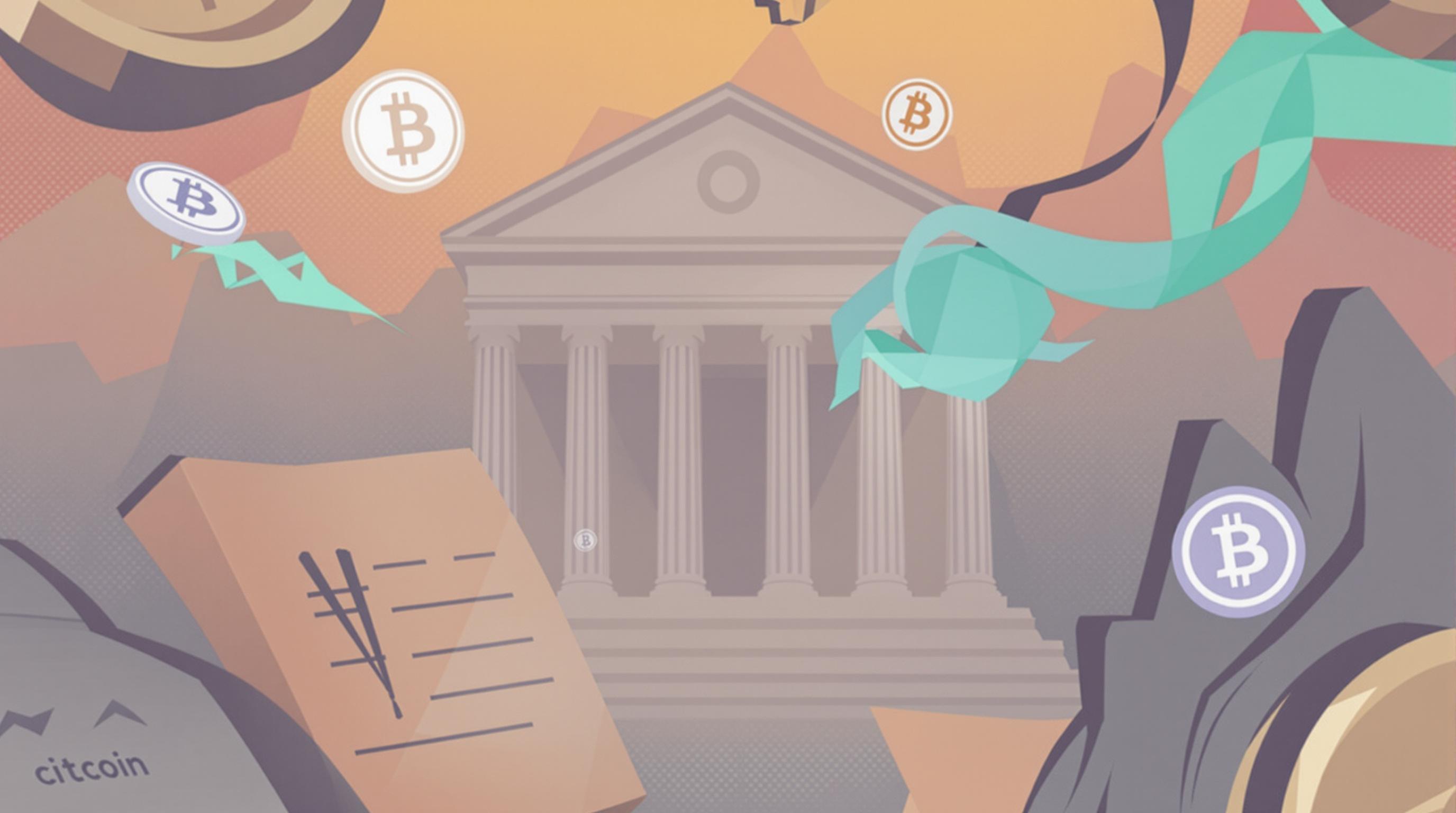
Cryptocurrency Controversies: How Unregulated Assets Are Disrupting Traditional Banking Norms
Cryptocurrency Controversies: How Unregulated Assets Are Disrupting Traditional Banking Norms
Cryptocurrency has emerged as a double-edged sword in the financial landscape, with its revolutionary technology challenging the very foundations of traditional banking. As these unregulated assets proliferate, they not only disrupt conventional finance but also spark heated debates about security, trust, and the future of money.
The Birth of Cryptocurrency: A New Era
In 2009, Bitcoin was introduced by an anonymous figure known as Satoshi Nakamoto, heralding the start of decentralized digital currencies. Fast forward to today, and cryptocurrencies have not only evolved but have also given rise to over 20,000 different tokens, according to data from CoinMarketCap. This staggering number reflects an industry that has gone from a niche interest to a massive global phenomenon.
Anatomy of Unregulated Assets
One of the most significant aspects of cryptocurrencies is their unregulated nature. Basically, they operate in a decentralized manner, free from government oversight and traditional banking regulations. This has profound implications: while it fosters innovation and freedom, it also opens the door to fraud, market volatility, and a plethora of legal ambiguities.
A Case Study: The Collapse of Mt. Gox
The infamous case of Mt. Gox, a once-dominant Bitcoin exchange, serves as a cautionary tale for many investors. In 2014, Mt. Gox filed for bankruptcy, claiming that hackers had made off with 850,000 Bitcoins (worth approximately $450 million at the time). This scandal highlighted the need for regulation and trustworthiness within the cryptocurrency space, as users lost their investments and the exchange's reputation plummeted.
The Ripple Effect on Traditional Banking
Traditional banks have always operated under strict regulatory conditions, establishing frameworks to protect consumers and maintain financial stability. However, the advent of cryptocurrencies has prompted banks to reconsider their roles. Some financial institutions are now exploring blockchain technology — the backbone of cryptocurrencies — to improve efficiency and reduce costs in transactions.
The Behavioral Shift: Trust in Technology, Not Institutions
A survey conducted by the fintech firm Statista in 2021 showed that 30% of consumers aged 18-34 believed that cryptocurrencies would replace traditional banking entirely. This sentiment reflects a broader trend where younger generations exhibit distrust towards traditional financial institutions, favoring the transparency and decentralization promised by cryptocurrencies.
Simplifying Transactions: The Power of Peer-to-Peer
Imagine sending money to a friend in another country instantly, without paying hefty fees or waiting several days — this is exactly what cryptocurrencies offer. Peer-to-peer transactions eliminate intermediaries, allowing users to send funds directly, often at a fraction of the cost that traditional banks charge. For many, this stark contrast makes digital currencies an attractive alternative.
The Dark Side of Disruption: Scams and Fraud
However, this new paradigm is not without its pitfalls. The lack of regulation has fostered an environment ripe for scams, Ponzi schemes, and hacking. Reports from the Federal Trade Commission (FTC) revealed that consumers lost over $80 million to cryptocurrency scams in 2020 alone, with figures expected to have significantly increased as the market gained momentum. The anonymity of transactions often complicates recourse for victims, leaving many vulnerable to financial ruin.
Security Concerns: The Vulnerability of Digital Assets
While blockchain technology is celebrated for its security features, it's essential to recognize that vulnerabilities still exist. Many exchanges and wallets are susceptible to hacking, leading to significant losses for investors. The 2016 hack of Bitfinex saw $72 million worth of Bitcoins stolen, reinforcing concerns about the overall security of digital currencies.
The Regulatory Debate: Finding the Balance
The question remains: how do we regulate an asset that's designed to be unregulated? Governments and regulatory bodies are grappling with this dilemma. Some advocate for imposing stricter controls to protect consumers, while others warn that heavy-handed regulation could stifle innovation. As a hedge fund manager quipped, "You can't put the genie back in the bottle." It's a tricky balancing act, and finding middle ground is crucial for the sustainable growth of this industry.
A Personal Anecdote: My Cryptocurrency Journey
Let me take you back to 2017, when I, an eager 18-year-old, decided to invest in Bitcoin after reading about it in a tech blog. With my limited knowledge, I bought a few coins and watched in awe as their value skyrocketed. Unfortunately, the euphoric ride was short-lived; the market crashed, and my investment plummeted. This experience led to hours spent researching the market, understanding its intricacies, and fostering a more cautious attitude towards cryptocurrency trading.
Consumer Demographics: Who Is Investing?
Surprisingly, it's not just tech-savvy millennials diving into this space. According to a 2022 survey by Pew Research, 42% of men and 56% of women aged 65 and older have heard of cryptocurrencies, with interest peaking among those aged 55-64, surprisingly during a period typically associated with lower risk-taking. This demographic shift is telling: cryptocurrencies are slowly gaining acceptance across all age groups.
The Environmental Controversy: Is It Worth It?
One glaring issue with cryptocurrencies, particularly Bitcoin, is their environmental impact. The energy consumption required for mining Bitcoin is often compared to that of entire countries. A 2021 study by the Cambridge Centre for Alternative Finance estimated that Bitcoin mining consumes 121.36 terawatt-hours of electricity annually, equivalent to what the Netherlands uses in a year. Critics argue that the quest for profit comes at an unsustainable cost to the planet.
Cryptocurrency as a Social Equalizer
On the flip side, proponents argue that cryptocurrencies can serve as a tool for financial inclusion. In regions with unstable currencies or limited access to banking services, cryptocurrencies offer an alternative. For example, in Venezuela, where hyperinflation has rendered the local currency nearly worthless, many citizens have adopted Bitcoin and other cryptocurrencies as a means of preserving value and conducting transactions. This situation raises an interesting point about the potential for cryptocurrencies to empower individuals in financially marginalized communities.
The Future of Traditional Banking
What does the future hold for traditional banking in an era dominated by cryptocurrencies? Industry experts speculate that banks may pivot to adopt digital currencies themselves, possibly issuing their own Central Bank Digital Currencies (CBDCs). The People's Bank of China has already begun piloting a digital yuan, a potential harbinger of change that could impact global financial markets.
Conclusion: An Ongoing Evolution
In conclusion, as cryptocurrencies continue to disrupt traditional banking norms, the landscape of finance is evolving rapidly. This ongoing evolution presents both opportunities and challenges, compelling regulators, bankers, and consumers to adapt. Whether cryptocurrency can coexist with traditional banking or will ultimately replace it remains to be seen. With the current trajectory, one thing is certain: buckle up; this ride is just getting started.
Reflections on Risks and Rewards
At the end of the day, investing in cryptocurrency is akin to riding a rollercoaster — it's thrilling, uncertain, and filled with ups and downs. Familiarizing yourself with the risks and being mindful of the potential for losses is crucial for anyone considering entering this volatile space. Remember, "Not your keys, not your coins!"
Your Turn: Are You Ready?
So, as you ponder these insights, ask yourself: are you ready to navigate the exhilarating but uncertain waters of cryptocurrency? Whether you're a skeptic or an enthusiast, finding your footing in this new financial landscape will undoubtedly be a journey worth taking.
Read More