Related Articles
- From Philanthropy to Profits: How Social Impact Investing is Reshaping the Future of Capital Markets
- Lost in Translation: How Language Barriers Shape Global Banking Relationships and Client Interactions
- Regulatory Labyrinths: Examining the Unanticipated Effects of Financial Laws on Sustainable Fashion Markets
- The Hidden Connection Between Gamification and Banking: How Playful Finance Engages a New Generation of Savers
- Borrowing Blues: How Your Zip Code Can Affect Loan Access and Financial Flexibility in Suburban vs Urban Areas
- Exploring the Quiet Revolution: How Biometric Privacy is Transforming User Trust in Digital Banking
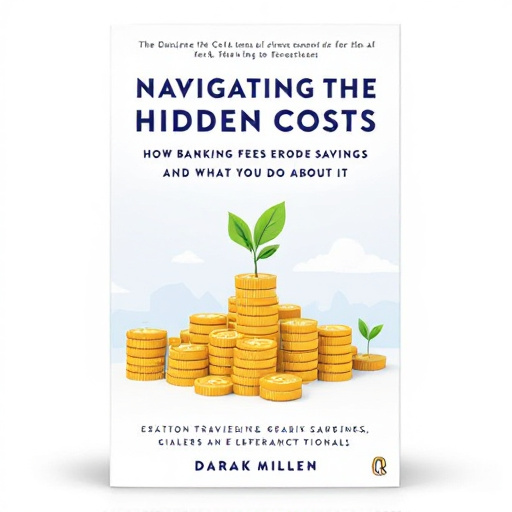
Navigating the Hidden Costs: How Banking Fees Erode Savings and What You Can Do About It
Navigating the Hidden Costs: How Banking Fees Erode Savings and What You Can Do About It
Despite the convenience and services banks offer, hidden fees can significantly impact your savings over time. This article explores the types of banking fees you might encounter, their implications, and strategies to avoid them.
Understanding Banking Fees: The Silent Thieves of Your Savings
It’s a classic tale: you open a bank account, expecting to watch your savings grow, but month after month, your balance dwindles due to fees you didn’t even know existed. According to a 2023 survey by Bankrate, more than 50% of bank account holders have paid fees simply for maintaining their accounts, and those costs can add up to hundreds of dollars a year.
The Types of Banking Fees
Many banks charge various fees that can catch even the savviest customer off guard. Here’s a rundown of the most common banking fees:
- Monthly Maintenance Fees: These can range from $5 to $15 per month, depending on the bank and the type of account. Some banks waive these fees if you maintain a minimum balance.
- ATM Fees: Using an out-of-network ATM can result in fees from both your bank and the ATM owner. According to the National ATM Council, the average fee for out-of-network ATM usage in 2023 was $4.57.
- Overdraft Fees: If you spend more money than you have in your account, you might be charged overdraft fees that can reach up to $35 per occurrence. It’s like a surprise bill you never wanted!
- Foreign Transaction Fees: Planning a trip abroad? Be cautious of fees that can reach up to 3% on transactions made outside your home country.
Case Study: Jane’s Journey Through Banking Fees
Meet Jane, a 27-year-old marketing professional who recently opened her first checking account. Excited to start saving, she deposited her hard-earned money, only to find out that her bank charged a $10 monthly maintenance fee and $5 for each out-of-network ATM withdrawal. By the end of the year, she realized $180 had vanished due to banking fees alone, compromising her once-bright savings goals.
The Impact of Fees on Your Savings
Let’s break it down: if Jane had invested that $180 in a savings account with a 1% interest rate instead, she would have earned about $1.80 in interest over a year. Compare that to the negative impact of fees—she not only lost $180 but also potential interest she could have earned. Over time, even small monthly fees can take a huge bite out of your savings.
Finding Alternatives: Diving Into No-Fee Options
The good news is that many banks are now offering fee-free accounts to attract customers. Credit unions and online banks, for instance, often have lower fees or none at all. A recent report found that 76% of online shoppers preferred banks that offered no-fee opportunities. Why pay for a service when you can find better options elsewhere?
How to Choose the Right Account
When selecting a bank account, look beyond flashy advertisements. Consider the following factors:
- Fee Structure: Be vigilant in analyzing the terms and conditions of an account. Make sure to note any potential fees and requirements for waiving them.
- Interest Rates: Opt for accounts that not only charge low or no fees but also offer higher interest rates for your savings.
- Customer Service: A good customer service experience can save you a world of headache if you ever have questions about fees or services.
Persuading Change: Advocate for Yourself
Have you found yourself feeling overwhelmed by banking fees? You're not alone! In fact, millennials and Gen Z are becoming increasingly aware of the importance of financial literacy. To make a difference, start by engaging with your bank. You might be surprised—many institutions will waive fees if you simply ask!
Statistics to Stir the Pot
Did you know that Americans paid an estimated $33 billion in overdraft fees in 2022? Doing some simple math, if each of those overdrafts could have been averted by teaching financial literacy in schools, imagine the impact! In fact, the Consumer Financial Protection Bureau advocates for understanding the fine print as a way to combat these hidden costs.
The Power of Simple Switching
Switching banks might sound daunting, but it can often be a refreshing change. In 2023, a poll revealed that around 30% of account holders regretted not switching banks sooner after feeling overwhelmed by fees. Remember Jane's story? A little research led her to a credit union with no fees which ultimately saved her money and made banking a breeze.
The Ripple Effect of Hidden Costs
Hidden costs don't just impact your daily spending; they can create a domino effect on your long-term financial health. For instance, the money wasted on bank fees could have been put toward paying off debt or contributing to retirement savings. According to the TIAA Institute, just a small amount saved regularly can compound into a significant sum over the years.
User Experience and Digital Banking
In an age where everything is at our fingertips, consider the ease of opening an online banking account. Digital banks are thriving, focusing on eliminating unnecessary fees and providing seamless user experiences. Imagine the satisfaction of managing your finances without the fear of hidden costs sneaking up on you!
Humor in Banking: A Little Laugh Goes a Long Way
Let’s not take ourselves too seriously—after all, banking can be a comedy of errors! Picture this: you’re having a beautiful Saturday morning, sipping coffee, and suddenly, *BAM!* There's a notification of an overdraft fee because you forgot about that $1.50 latte you bought three weeks ago. It can feel like a plot twist straight out of a sitcom—"When Bad Banking Happens to Good People."
Building A Savings Strategy
Now that you're armed with knowledge about banking fees, it’s time to craft a savings strategy that minimizes them while maximizing your potential earnings. Here are a few tips to consider:
- Create a Budget: Track your income and expenses. Knowing where your money goes is the first step toward reducing unnecessary fees.
- Set Up Alerts: Many banks allow you to set alerts for low balances and transactions, which can help you avoid overdrafts.
- Regular Reviews: Schedule regular check-ins to revisit your account. This ensures you stay informed about any changes in fees or policies.
Conclusion: The Path Forward
In conclusion, banking fees can be the quiet enemy of your savings. By becoming an informed consumer and actively seeking alternatives, not only can you avoid these hidden costs, but you can also pave the way for a more secure financial future. Remember to advocate for yourself, explore fee-free options, and develop a savings strategy that puts your financial well-being first.
Final Thoughts: Take Control
As a 35-year-old finance enthusiast whose journey began with hidden fees and frustration, I urge you not to let banking fees wear away at your hard-earned savings. Take charge of your financial decisions and keep that money working for you instead of lining the pockets of your bank. With the knowledge gained from this article, you're one step closer to financial empowerment!
Read More